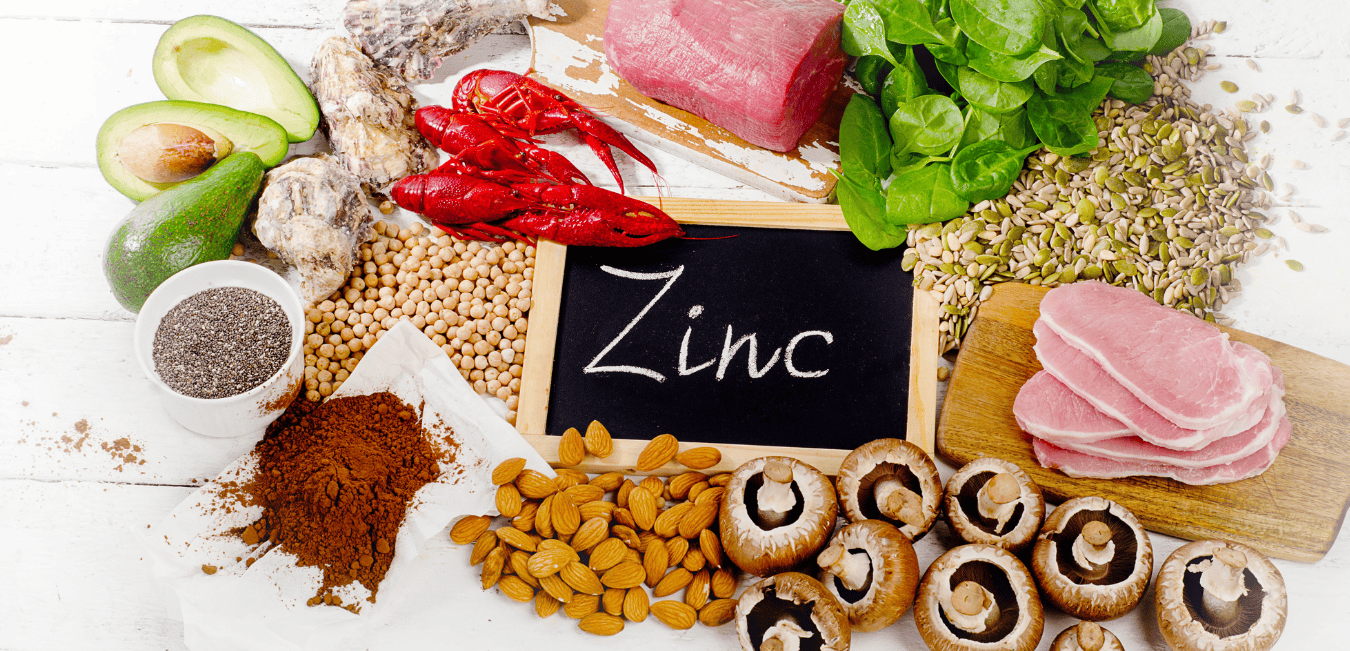
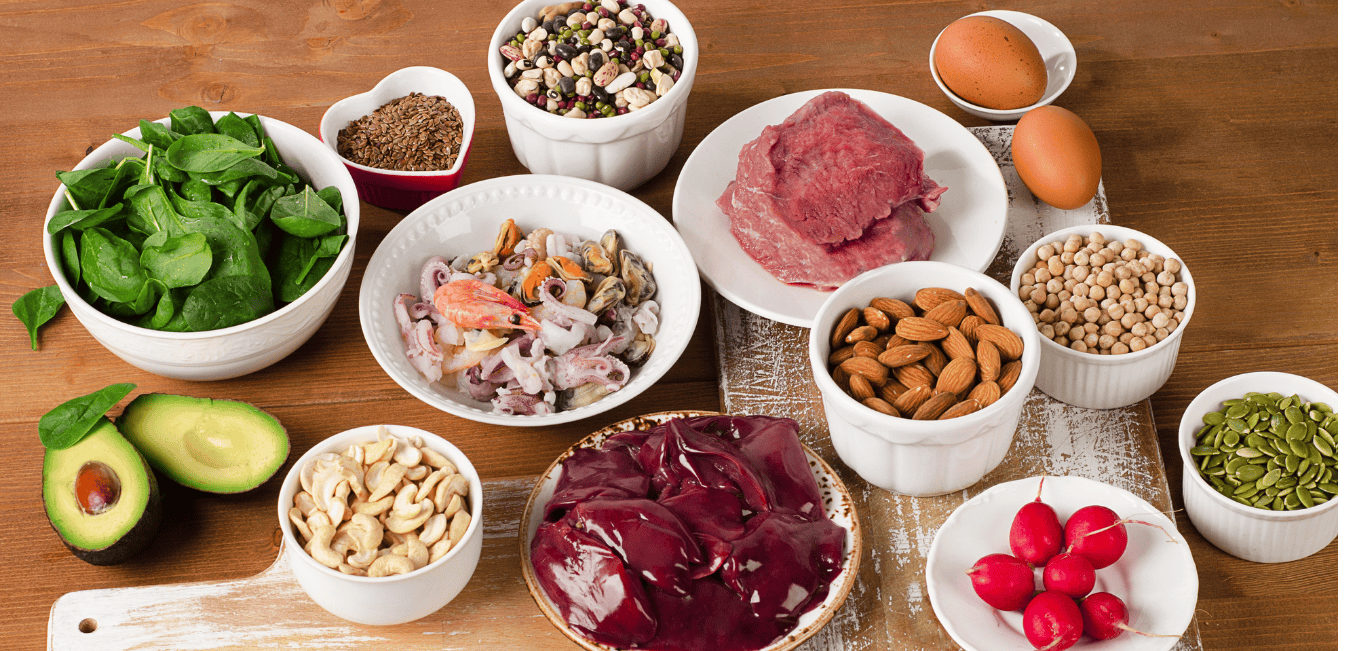
Constipation, nausea, stomach discomfort, and other digestive symptoms are common reasons families struggle to continue an iron supplement, even when a child truly needs it.
However, not every iron supplement behaves the same way in the digestive system. The form of iron, the amount given, and the way the product is formulated can all affect how well a child tolerates it.
In this article, you’ll learn why some forms of iron are harder on the digestive system, why iron bisglycinate chelate may be a gentler alternative, how beef liver can support healthy iron intake, and what to watch for when beginning a new iron supplement.
Why Iron Is So Important for Kids
Iron is essential for making hemoglobin, the protein in red blood cells that carries oxygen throughout the body. It is also involved in muscle function, energy metabolism, physical growth, and healthy neurological development (1,2).
Iron deficiency can develop before a child becomes anemic. Possible signs may include:
- Fatigue or low energy
- Pale skin or lips
- Irritability
- Headaches or dizziness
- Reduced exercise tolerance
- Difficulty concentrating
- Poor appetite
- Pica, or the urge to chew or eat nonfood items such as ice, paper, dirt, or cardboard
Some children have few obvious symptoms, which is why laboratory testing may be necessary when risk factors are present (1).
To learn more, read this article: 9 Micronutrient Deficiencies Associated With Anemia
Iron deficiency and iron deficiency anemia are especially common during periods of rapid growth, including infancy and adolescence. Risk may also be higher in children with restrictive diets, picky eating, heavy menstrual bleeding, gastrointestinal blood loss, chronic inflammation, or conditions that interfere with nutrient absorption (1,2).
You might like this article, too: How to Identify Nutrient Gaps in Picky Eaters: A Parent’s Guide for Kids Who Avoid Vegetables, Meat, or Dairy
Why Some Iron Supplements Cause Constipation
Ferrous sulfate is one of the least expensive and most commonly used forms of oral iron. It can effectively raise iron levels, but it may also cause constipation, nausea, abdominal discomfort, diarrhea, an unpleasant metallic taste, and dark stools (1,3).
A meta-analysis of 43 randomized controlled trials found that adults taking ferrous sulfate had more than twice the odds of experiencing a gastrointestinal side effect compared with those taking a placebo. Although these studies involved adults rather than children, pediatric guidance also recognizes digestive discomfort and constipation as potential side effects of conventional oral iron salts (3,4).
Why does this happen?
Only part of an oral iron dose is absorbed. The remainder stays in the gastrointestinal tract, where free iron may irritate the intestinal lining and contribute to digestive symptoms.
The likelihood of constipation or stomach upset can depend on several factors, including:
- Form of iron
- Elemental iron dose
- Baseline bowel habits
- Child’s individual absorption
- Diet and hydration
- Sensitivity of the digestive system
- How and when the supplement is taken
Iron absorption is also controlled partly by hepcidin, a hormone that regulates how much iron enters the bloodstream. Inflammation and certain chronic health conditions can increase hepcidin and make oral iron more difficult for the body to absorb effectively (1,3).
To learn more about constipation, read these articles:

Why Iron Bisglycinate Chelate May Be Gentler
Iron bisglycinate chelate is a form of iron in which iron is bound to two molecules of the amino acid glycine.
This chelated structure helps keep the iron stable as it passes through the digestive tract. Because less reactive iron may be left unbound in the intestines, iron bisglycinate is commonly used as a gentler alternative for people who experience constipation, nausea, or stomach discomfort with conventional iron salts.
Pediatric research is encouraging, although still limited.
In a small pilot trial involving children between 1 and 13 years old with iron deficiency anemia, iron bisglycinate and iron polymaltose both improved iron status during the study period (5).
A larger randomized trial involving Mexican schoolchildren with low ferritin found that both ferrous sulfate and iron bisglycinate successfully increased ferritin concentrations (6).
Together, these studies suggest that iron bisglycinate can effectively support iron status in children and may be well tolerated. However, a child’s response can still depend on the dose, diagnosis, formulation, and individual digestive sensitivity.
How Beef Liver Supports Healthy Iron Intake
Food contains two main types of iron:
- Heme iron, found in meat, poultry, seafood, and organ meats
- Nonheme iron, found in plants, fortified foods, and many supplements
Heme iron is generally more bioavailable than nonheme iron and is less affected by many of the compounds in food that can interfere with iron absorption (2,7).
Beef liver is one of the most nutrient-dense natural sources of heme iron. Approximately three ounces of cooked beef liver provides around 5 mg of iron, although the exact amount varies depending on the preparation method (2).
Beef liver also naturally provides nutrients involved in red blood cell production and healthy iron metabolism, including:
For children who do not enjoy the taste or texture of liver, a carefully sourced beef liver supplement can provide a convenient way to include these whole-food nutrients.
However, beef liver and therapeutic iron supplements do not serve exactly the same purpose.
A beef liver supplement supports overall nutrient intake through a whole-food source, while an iron bisglycinate supplement provides a clearly measured amount of elemental iron. When a child has diagnosed iron deficiency or iron deficiency anemia, precise dosing is often necessary.
Choosing Between Iron Bisglycinate and Beef Liver
Iron bisglycinate chelate and beef liver can both support healthy iron intake, but they are used differently.
Iron bisglycinate chelate may be appropriate when:
- Child needs a measurable amount of elemental iron
- Laboratory testing shows low iron or ferritin
- Healthcare provider recommends targeted supplementation
- Conventional iron salts cause digestive discomfort
- Parents want an iron formula that does not stain teeth
Beef liver may be appropriate when:
- Parents want to increase nutrient-dense whole-food support
- Child does not regularly eat organ meats
- Families want naturally occurring heme iron
- Additional vitamin B12, folate, copper, and vitamin A are desirable
- Goal is general nutritional support rather than a therapeutic iron dose
Some families may use both a targeted iron supplement and a beef liver supplement. However, all iron-containing products should be considered together when calculating iron intake so that the child does not unintentionally receive more iron than recommended.
What to Watch for When Starting Iron Supplementation
It can be helpful to know what to look out for when starting a new iron supplement. Here are some things to keep in mind:
Dark or black stools
Dark green, gray, or black stools are common after beginning many oral iron supplements. This usually reflects unabsorbed iron and is not dangerous by itself.
Contact your child’s healthcare provider if the stool is black and tarry or sticky, contains visible blood, or is accompanied by severe abdominal pain, vomiting, weakness, faintness, or other concerning symptoms.
Constipation
If constipation develops, do not simply stop a medically necessary iron supplement without contacting the prescribing clinician.
Depending on your child’s age and health history, helpful measures may include:
- Offering adequate fluids
- Increasing age-appropriate fiber gradually
- Encouraging daily physical movement
- Establishing a consistent bathroom routine
- Reviewing the elemental iron dose
- Discussing a switch to a gentler form such as iron bisglycinate chelate
Seek medical advice if constipation becomes severe or is accompanied by significant pain, abdominal swelling, vomiting, blood in the stool, or an inability to pass stool or gas.
Nausea or stomach discomfort
Iron is generally absorbed best away from food, but taking it on an empty stomach can worsen nausea in some children.
When stomach upset makes consistent supplementation difficult, a healthcare provider may recommend giving the supplement with a small amount of food. This may reduce absorption somewhat, but consistently taking a tolerated dose may be more effective than frequently skipping one that causes discomfort.
Vitamin C can improve the absorption of nonheme iron. When appropriate, iron may be paired with a vitamin C-rich food such as:
- Berries
- Kiwi
- Citrus fruit
- Bell pepper
- Tomato
Calcium supplements, dairy products, tea, coffee, antacids, and certain medications can interfere with iron absorption. Ask your child’s provider or pharmacist whether these products need to be separated from the iron dose.
You might like this article, too: How To Create A Daily Supplement Protocol For Your Family
Daily versus alternate-day dosing
Research in adults suggests that alternate-day iron dosing may sometimes improve fractional absorption because an iron dose temporarily increases hepcidin.
However, pediatric dosing must account for the child’s age, weight, diagnosis, degree of deficiency, product formulation, and clinical response (1).

How Do You Know Whether an Iron Supplement Is Working?
When iron status begins to improve, some families notice improvements in:
- Energy
- Appetite
- Skin and lip color
- Exercise tolerance
- Mood
- Focus and attention
However, these changes are subjective and may be influenced by many other factors.
Follow-up laboratory testing is the most reliable way to determine whether treatment is working. Depending on the child’s diagnosis, a healthcare provider may monitor:
- Hemoglobin
- Ferritin
- Reticulocyte response
- Transferrin saturation
- Other markers related to iron status or inflammation
If laboratory results are not improving as expected, possible explanations may include:
- Missed or inconsistent doses
- Inadequate elemental iron dose
- Poorly tolerated formulation
- Taking iron alongside something that reduces absorption
- Ending treatment before iron stores are replenished
- Ongoing menstrual or gastrointestinal blood loss
- Chronic inflammation
- Celiac disease or another absorption disorder
- Incorrect or incomplete diagnosis
Persistent anemia despite an appropriate course of oral iron requires further medical evaluation (1).
You might like this article, too: Troubleshooting Anemia Treatment: Reasons Your Bloodwork Isn’t Improving
A Note on Iron Dosing and Safety
The appropriate dose of supplemental iron depends on whether the goal is:
- General nutritional support
- Prevention of deficiency
- Treatment of iron deficiency without anemia
- Treatment of iron deficiency anemia
More iron is not always better. Excess iron can be dangerous, and an acute iron overdose is a medical emergency.
Iron supplements must always be stored securely and completely out of children’s reach.
If a child may have swallowed an unknown amount or taken an accidental extra dose, contact Poison Control or emergency medical services immediately rather than waiting for symptoms.
Families should also avoid treating suspected anemia without appropriate evaluation. Not every type of anemia is caused by iron deficiency, and unnecessary supplementation can delay the correct diagnosis.
Summary
Some conventional iron supplements, particularly ferrous salts such as ferrous sulfate, can cause constipation, nausea, abdominal discomfort, diarrhea, or dark stools.
Our iron bisglycinate chelate formula is designed to offer a gentle, digestible, well-absorbed iron option for sensitive children.
Beef liver provides naturally occurring heme iron alongside vitamin B12, folate, copper, vitamin A, protein, and other whole-food nutrients. Our beef liver supplement can support an iron-rich diet, but it should not automatically replace a precise therapeutic iron dose when a child has diagnosed iron deficiency anemia.
The best iron plan is one that provides the appropriate amount of iron, is gentle enough to be taken consistently, and includes proper medical and laboratory monitoring when deficiency is present.
References
- Powers, JM, et al. (2026). Prevention, Screening, Diagnosis, and Treatment of Iron Deficiency and Iron Deficiency Anemia in Infants, Children, and Adolescents: Clinical Report. Pediatrics, 158(1). https://doi.org/10.1542/peds.2026-077414
- National Institutes of Health. (2024). Iron: Fact Sheet for Health Professionals. https://ods.od.nih.gov/factsheets/Iron-HealthProfessional/
- Pantopoulos K. Oral iron supplementation: new formulations, old questions. Haematologica. 2024 Sep 1;109(9):2790-2801. doi: 10.3324/haematol.2024.284967. PMID: 38618666; PMCID: PMC11367235.
- Tolkien Z, Stecher L, Mander AP, Pereira DI, Powell JJ. Ferrous sulfate supplementation causes significant gastrointestinal side-effects in adults: a systematic review and meta-analysis. PLoS One. 2015 Feb 20;10(2):e0117383. doi: 10.1371/journal.pone.0117383. PMID: 25700159; PMCID: PMC4336293.
- Name JJ, Vasconcelos AR, Valzachi Rocha Maluf MC. Iron Bisglycinate Chelate and Polymaltose Iron for the Treatment of Iron Deficiency Anemia: A Pilot Randomized Trial. Curr Pediatr Rev. 2018;14(4):261-268. doi: 10.2174/1573396314666181002170040. PMID: 30280670; PMCID: PMC6416187.
- Duque X, Martinez H, Vilchis-Gil J, Mendoza E, Flores-Hernández S, Morán S, Navarro F, Roque-Evangelista V, Serrano A, Mera RM. Effect of supplementation with ferrous sulfate or iron bis-glycinate chelate on ferritin concentration in Mexican schoolchildren: a randomized controlled trial. Nutr J. 2014 Jul 15;13:71. doi: 10.1186/1475-2891-13-71. PMID: 25023784; PMCID: PMC4107593.
- Kalman D, Hewlings S, Madelyn-Adjei A, Ebersole B. Dietary Heme Iron: A Review of Efficacy, Safety and Tolerability. Nutrients. 2025 Jun 27;17(13):2132. doi: 10.3390/nu17132132. PMID: 40647237; PMCID: PMC12252460.