
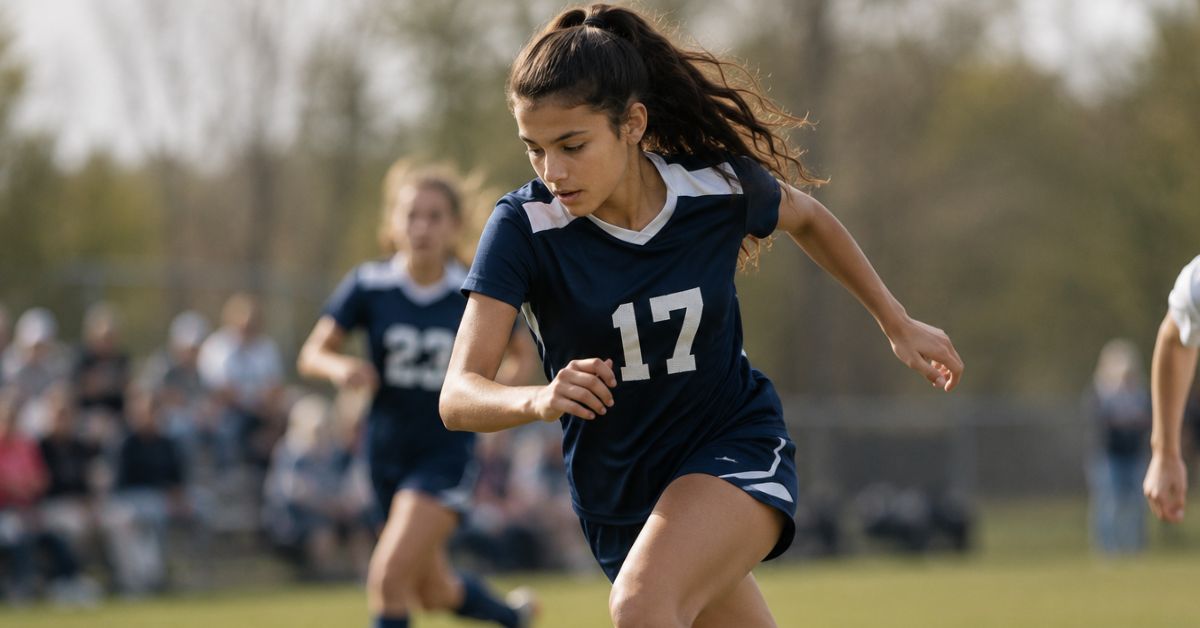
If you have a teenager who plays sports, you already know how hard these kids work and how much pressure they can put on themselves. Between early morning practices, late homework sessions, growth spurts, and the emotional rollercoaster of adolescence, teen athletes are balancing an enormous amount. As a parent, you are one of the most important parts of that support system, and the good news is that some of the most effective things you can do are also the most accessible.
This article covers the four pillars of teen athlete support: sleep, nutrition, key micronutrients, and emotional wellbeing.
The Unique Needs of Teen Athletes
It is easy to look at your teen athlete and assume that because they are young and strong, their bodies can handle a heavy training load without much extra support. But adolescence is actually one of the most demanding periods in human development. Growth, hormonal shifts, and athletic training are all happening simultaneously, and that combination puts real pressure on the body’s ability to recover.
Research confirms that nutrient and energy needs during adolescence are shaped by three overlapping factors: current body size and composition, stage of pubertal development, and the specific demands of the sport they are playing (1). This means a teen athlete is not simply a smaller adult athlete. They have their own set of nutritional and recovery needs, and those needs are higher than most parents realize.
Sleep: The Recovery Tool You Cannot Skip
This one surprises a lot of parents. We think about what our kids eat and how much they train, but sleep often gets treated as flexible. For teen athletes, it is anything but.
Studies show that adolescent athletes average just 6.3 hours of sleep per night, well below the recommended 8 to 10 hours for their age group (1). A landmark study found that teen athletes sleeping fewer than 8 hours per night were 1.7 times more likely to sustain a sports injury compared to those getting 8 or more hours (2).
During sleep, the body repairs muscle tissue, consolidates motor skills learned in practice, regulates appetite hormones, and supports immune function. When a teen athlete is chronically under-slept, all those processes get shortchanged (3).

Practical sleep tips for teens:
- Protect the hour before bed. Screens off, lights dimmed, and something low-key to wind down.
- If practice tends to be scheduled later than what would be ideal for sleep (it happens), try to prepare ahead of time for a streamlined evening: dinner in the slow cooker; pajamas prepped.
- A small, tryptophan-rich snack before bed (like a few bites of turkey, a banana, or a small bowl of oatmeal) may support melatonin production and improve sleep quality (3).
- Herbal support can help wind down busy brains.
- On weekends, encourage them to keep a consistent wake time rather than dramatically oversleeping, which can disrupt their rhythm during the week.
To learn more about healthy sleep habits, read this article: Melatonin Rich Food Sources & Bedtime Snacks
Fueling the Teen Athlete: What to Know About Nutrition
Teen athletes need enough food to support both normal growth and the energy demands of their sport. Under-fueling is a more common problem than most parents expect, and it does not always look like purposeful calorie restriction. The fact is that a 16-year-old boy doing 2 hours of heavy activity per day may need upwards of 3,500 calories just to break even, and something as simple as skipping breakfast can put him hundreds of calories in the hole before his day even starts (8).
To learn more, read this article: Fueling Workouts: Tips for Busy Parents
Carbohydrates are the primary fuel source for athletic performance. Protein supports muscle repair and growth. And healthy fats are essential for hormone production, brain function, and joint health. A well-rounded, whole-foods diet is the foundation.
Prioritize:
- Enough total calories to support both growth and training (teen athletes often need significantly more calories than their non-athlete peers)
- Quality protein at every meal, including post-workout, to support muscle protein synthesis
- Plenty of colorful vegetables and fruits for antioxidants and micronutrients
- Adequate carbohydrates timed around training to sustain energy and recovery
- Consistent hydration throughout the day, not just during practice
To learn more, read this article: Understanding the Difference Between Simple & Complex Carbohydrates

Micronutrients That Matter Most for Teen Athletes
Even with a good diet, certain nutrients may tend to run low in teen athletes. The most common ones to watch are iron, magnesium, and zinc, all of which play specific roles in energy production, muscle function, and recovery.
Iron is especially important for female teen athletes, who lose iron through menstruation in addition to what is lost through sweat and intense exercise. Maintaining healthy iron levels supports normal muscle function and sustained exercise capacity (4). Signs that iron may need attention include persistent fatigue, reduced endurance, and difficulty concentrating.
To learn more about iron, read this article: The Importance of Sufficient Iron Intake for Kids (Plus Kid Approved Recipes)
Magnesium is involved in over 300 enzymatic reactions in the body, including those that regulate muscle contraction and energy production. Keeping magnesium levels adequate supports efficient oxygen use during exercise and helps maintain endurance performance (4). Teen athletes who sweat heavily during training may need more magnesium than diet alone provides.
To learn more about magnesium, read this article: Magnesium 101: Benefits, Food Sources, Daily Needs, and Supplement Types
Zinc supports immune function and helps regulate the body’s response to exercise-induced stress. Maintaining healthy zinc levels is especially important during heavy training periods and competition seasons, when the body’s needs are highest (5).
A whole-foods diet rich in leafy greens, legumes, seeds, quality animal proteins, and nuts is the best first step toward meeting these needs. When dietary intake falls short, a high-quality supplement may provide additional support.
To learn more, read this article: The Basics of Anti-Inflammatory Eating for the Whole Family

The Emotional Side of Youth Sports: What Your Teen Needs from You
Physical performance does not happen in a vacuum. Teen athletes carry a lot emotionally, and the pressure they feel can come from many directions: coaches, teammates, their own high standards, and sometimes, often unintentionally, their parents.
Research shows that parental warmth combined with emotional support is one of the strongest protective factors against burnout in adolescent athletes (6). When parents express genuine affection and involvement without attaching that love to outcomes or performance, teens are better equipped to navigate the pressures of competitive sport.
Burnout in young athletes is not just physical exhaustion. It shows up as emotional withdrawal from the sport, a declining sense of enjoyment, increased irritability, and a drop in performance that cannot be explained by physical factors alone. Early specialization in a single sport, year-round training without adequate rest, and heightened competitive pressure have all been linked to higher rates of burnout in adolescent athletes (7).
What supportive parenting looks like in practice:
- Ask “Did you have fun?” more often than “How did you play?”
- Separate your child’s worth from their athletic results and make sure they can feel that distinction.
- Watch for signs of burnout: loss of enthusiasm, persistent fatigue, anxiety before games.
- Encourage them to have friendships, interests, and rest time outside of their sport.
- Create space for conversation without judgment if they ever want to step back from a sport or take a break.
To learn more, read this article: Helping Kids Through Test Anxiety: A Parent’s Guide
Summary
Teen athletes have unique physical and emotional needs that go well beyond what non-athlete teens require. Sleep is a non-negotiable part of athletic performance and injury prevention. A whole-foods diet with adequate calories, protein, and micronutrients – particularly iron, magnesium, and zinc – forms the foundation of recovery and sustained energy. Parental warmth combined with emotional support is one of the strongest protective factors against burnout. Parents can support their teen athletes by focusing on the four pillars of teen athlete support: sleep, nutrition, key micronutrients, and emotional wellbeing.
References
- Mason L, Connolly J, Devenney LE, Lacey K, O’Donovan J, Doherty R. Sleep, Nutrition, and Injury Risk in Adolescent Athletes: A Narrative Review. Nutrients. 2023;15(24):5101. doi: 10.3390/nu15245101. PMID: 38140360.
- Milewski MD, Skaggs DL, Bishop GA, Pace JL, Ibrahim DA, Wren TAL, Barzdukas A. Chronic Lack of Sleep Is Associated with Increased Sports Injuries in Adolescent Athletes. J Pediatr Orthop. 2014;34(2):129–133. doi: 10.1097/BPO.0000000000000151. PMID: 25028798.
- Doherty R, Madigan S, Warrington G, Ellis J. Sleep and Nutrition Interactions: Implications for Athletes. Nutrients. 2019;11(4):822. doi: 10.3390/nu11040822. PMID: 30979048.
- Lukaski HC. Vitamin and mineral status: effects on physical performance. Nutrition. 2004;20(7–8):632–644. doi: 10.1016/j.nut.2004.04.001. PMID: 15212745.
- König D, Weinstock C, Keul J, Northoff H, Berg A. Zinc, copper, and selenium status in athletes: influence on the regulation of exercise-induced stress and immune function. Exerc Immunol Rev. 1998;4:2–21. PMID: 9644092.
- Saarinen M, Phipps DJ, Kuokkanen J, Bjørndal CT, Bentzen M, Ommundsen Y, Gustafsson H. Burnout trajectories among adolescent student-athletes: The role of gender, success expectations, and parental affection. Psychol Sport Exerc. 2025;79:102831. doi: 10.1016/j.psychsport.2025.102831. PMID: 40023303.
- Xu E, Greif DN, Castle P, Lander S. Pediatric Sports: The Mental Health and Psychological Impact of Sport and Injury. J Clin Med. 2025;14(12):4321. doi: 10.3390/jcm14124321. PMID: 40566065.