Facial rashes in babies and toddlers related to drooling and environmental irritation are extremely common. While these rashes are usually not dangerous, they can be uncomfortable, persistent, and worrying for parents who are trying to understand what is causing them and how best to help their child’s skin heal.
The good news is that in many cases, simple supportive care and a focus on protecting the skin barrier can make a meaningful difference.
In this article, you’ll learn what causes drool rash in babies and toddlers, what symptoms to look for, how to treat drool rash at home, and when to seek medical care.
What Is Drool Rash?
Drool rash is a form of irritant contact dermatitis that develops when saliva repeatedly sits on the skin. Babies and toddlers naturally produce more saliva during periods such as:
- Teething
- Developmental stages when mouthing objects
- Illness or nasal congestion
- Pacifier use or thumb sucking
- Sleeping with an open mouth
Saliva contains digestive enzymes that help break down food. When these enzymes stay on delicate facial skin for prolonged periods, they can gradually weaken the skin barrier and trigger redness, dryness, or inflammation (1).
Cold weather, wind exposure, frequent wiping, or friction from clothing can further worsen irritation.
What Does Drool Rash Look Like?
If your child is dealing with a drool rash or chapped skin, you may notice:
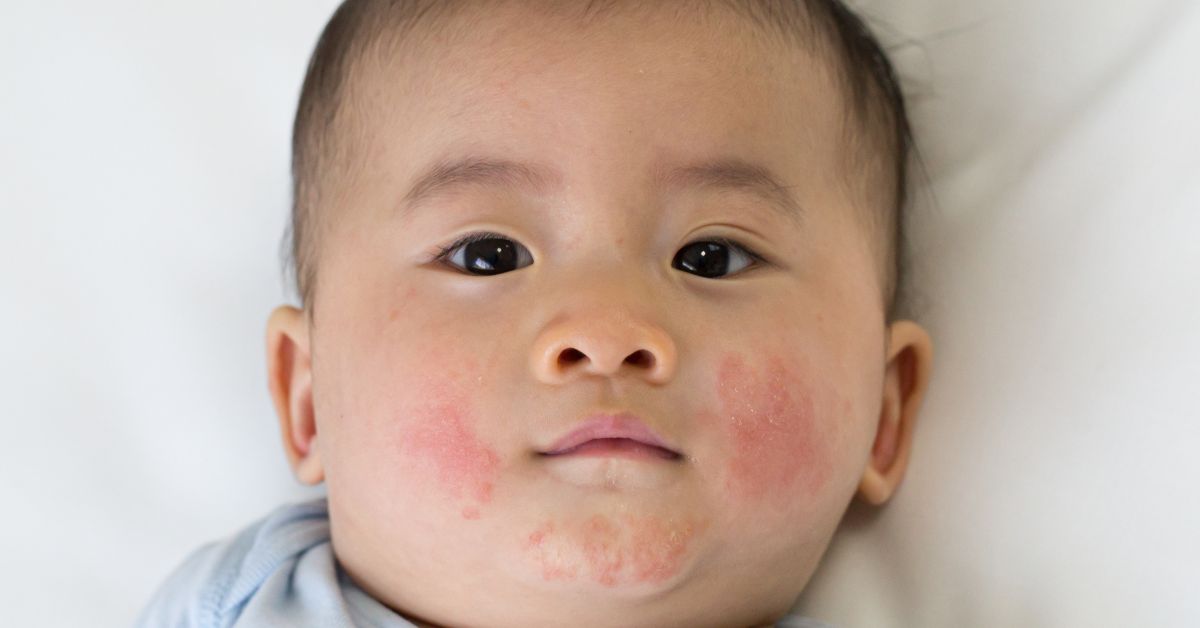
- Red or pink patches around the mouth, chin, or cheeks
- Rough, dry, or flaky skin
- Small bumps or irritated areas
- Skin that looks shiny, raw, or slightly swollen
- Increased sensitivity during washing or after eating
- Cracks or fissures in more severe cases
Unlike infections such as impetigo, drool rash usually does not form honey-colored crusts or significant oozing.
Because conditions like eczema, fungal rashes, food reactions, or bacterial infections can sometimes look similar, medical guidance is important if symptoms are worsening, spreading, or not improving with gentle care.
Why Do Babies and Toddlers Develop Drool Rashes?
Young children have thinner, more delicate skin than adults. Their skin barrier is still developing and can be more vulnerable to environmental stressors.
Several factors may contribute to your baby’s facial rash or chapped skin:
Constant Moisture
Frequent drooling keeps the skin damp, which softens and weakens the outer protective layer.
Friction
Repeated wiping with cloths, bibs, or wipes can irritate already sensitive skin.
Cold or Windy Weather
Dry air and wind can strip moisture from the skin and increase chapping.
Pacifier or Thumb Sucking
These habits can trap moisture and create ongoing skin contact.
Illness or Nasal Congestion
Runny noses and mouth breathing increase exposure to saliva and mucus.
Sensitive Skin or Eczema Tendencies
Children with underlying skin sensitivity may react more strongly to even mild irritants.
Practical Tips To Manage Drool Rash & Chapped Cheeks in Babies
These tips can help your baby’s irritated skin heal and prevent future flares. Consistency is important!
Change Bibs More Often Than You Think
A bib that feels only slightly damp can still keep skin exposed to saliva. During heavy drooling phases, changing bibs every 30-60 minutes may help.
Pat – Don’t Wipe
- Repeated wiping can worsen irritation.
- Gently pat skin dry with a soft cloth.
- If very irritated, briefly rinse with lukewarm water and pat dry.
- Baby wipes (even unscented ones) can sometimes cause more irritation.
Apply Barrier Support Before Triggers
Barrier support is a protective layer applied to the skin that helps shield it from ongoing moisture, friction, and environmental irritation.
Applying it generously can help reduce redness, prevent chapping, and support the skin’s natural healing process.
Apply it liberally:
- Before naps or overnight sleep
- Before going outside in cold or windy weather
- During teething phases
- When your child has a runny nose
- Before bed
Use Gentle Skincare
- Avoid fragranced lotions.
- Avoid harsh cleansers or exfoliating products.
- Avoid frequent product switching.

Is It Drool Rash… or Something Else?
Facial rashes in babies and kids can look similar. These gentle clues may help parents differentiate.
Drool Rash
- Red or dry skin where saliva sits
- Flares with teething, illness, or cold weather
- Usually not very itchy
- Improves with gentle cleansing and barrier protection
- No honey-colored crusting
Eczema
- Very dry, thick, or scaly patches
- Significant itching
- May appear behind knees, inside elbows, or on torso
- Family history of allergies or asthma
- May crack or bleed
Impetigo
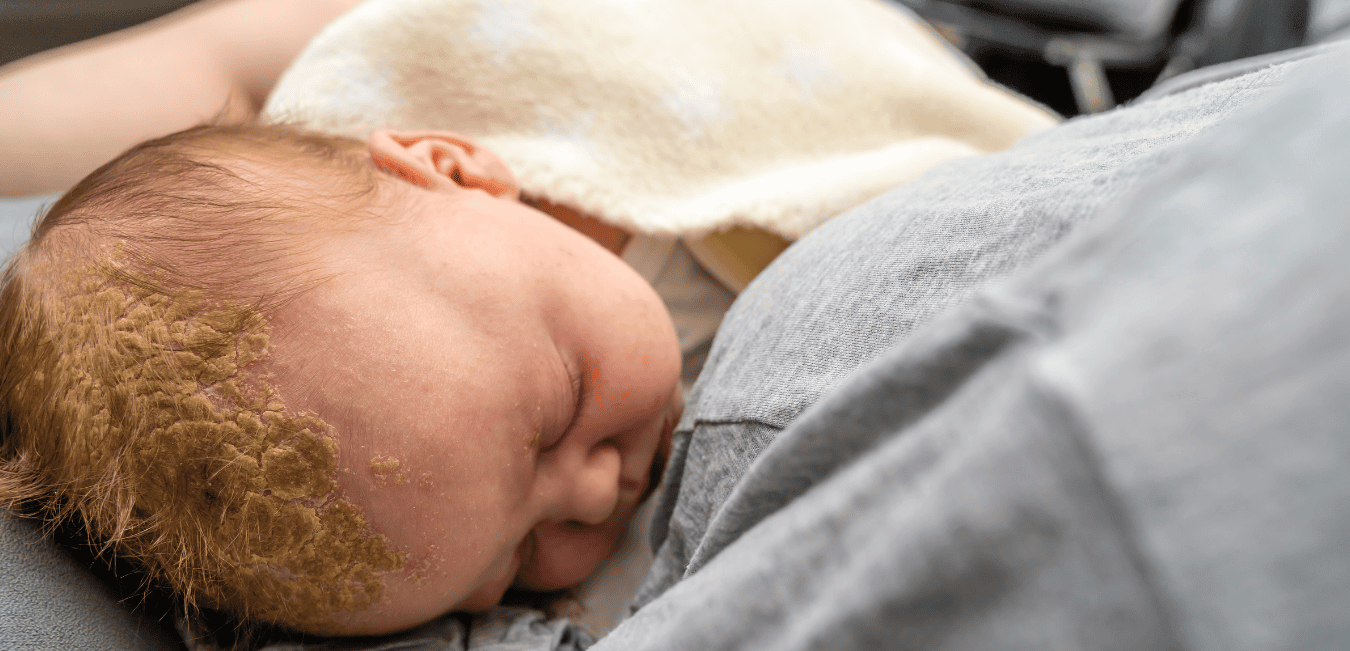
- Honey-colored crusts
- Oozing or rapidly spreading sores
- Tender or swollen skin
- Possible fever or illness
- Requires medical treatment
Perioral Dermatitis
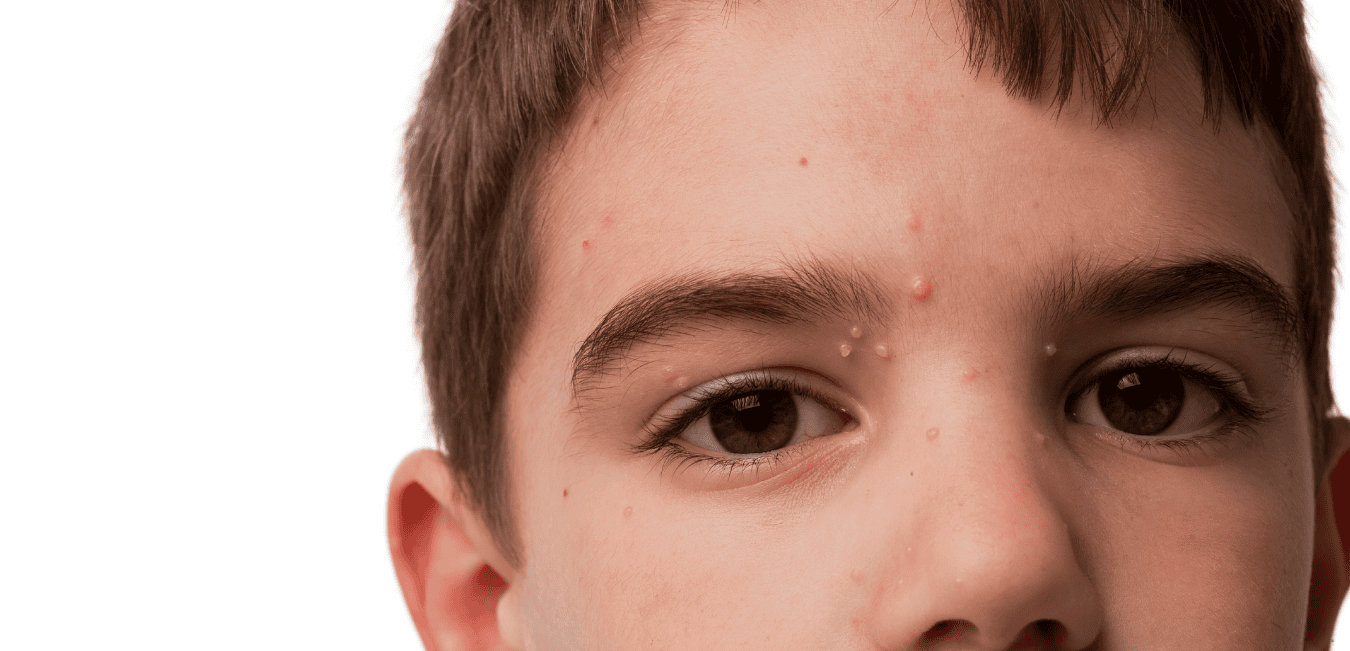
- Small clustered bumps around mouth or nose
- Rash may spare the skin immediately next to the lips
- Burning or sensitivity
- May worsen after stopping steroid creams
Yeast Rash
- Bright red rash with clear borders
- Small nearby “satellite” bumps
- Persistent rash in moist skin folds
- Often needs antifungal treatment
When To Seek Medical Care
Drool rashes are not usually something to worry about, but it is important to reach out to a healthcare provider if:
- The rash is spreading rapidly
- There is swelling, crusting, or oozing
- Your child seems uncomfortable or in pain
- Fever or illness symptoms are present
- The rash is not improving after several days of gentle care
- You suspect eczema, infection, or food reactions
A clinician can help confirm the diagnosis and determine whether prescription treatments are needed.
To learn more about your child’s skin, read this article: 8 Common Infant Skin Conditions
Summary
Drool rash and chapped cheeks are among the most common facial skin concerns in babies and toddlers.
Although they can look alarming, these rashes are usually related to irritation from saliva, environmental exposure, and a still-developing skin barrier.
With a little extra care and consistent barrier protection, most children experience gradual improvement.
If symptoms persist or worsen, medical guidance can help ensure the correct diagnosis and treatment plan, allowing your child’s skin to return to a more comfortable, balanced state.
References:
- Dupuy E, Miller M, Harter N. What We Have Learned-Milestones in Pediatric Contact Dermatitis. Curr Dermatol Rep. 2022;11(1):1-12. doi: 10.1007/s13671-022-00353-w. Epub 2022 Mar 26. PMID: 35369649; PMCID: PMC8959272.