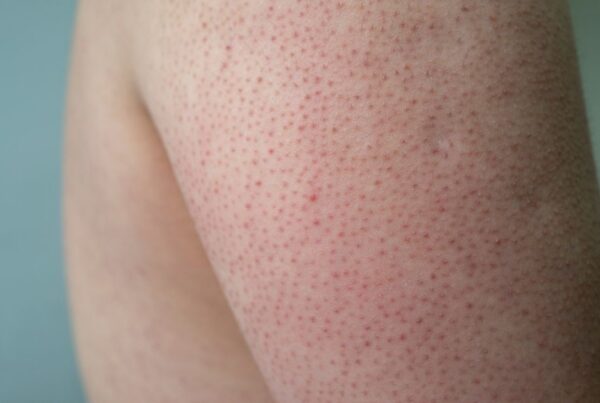
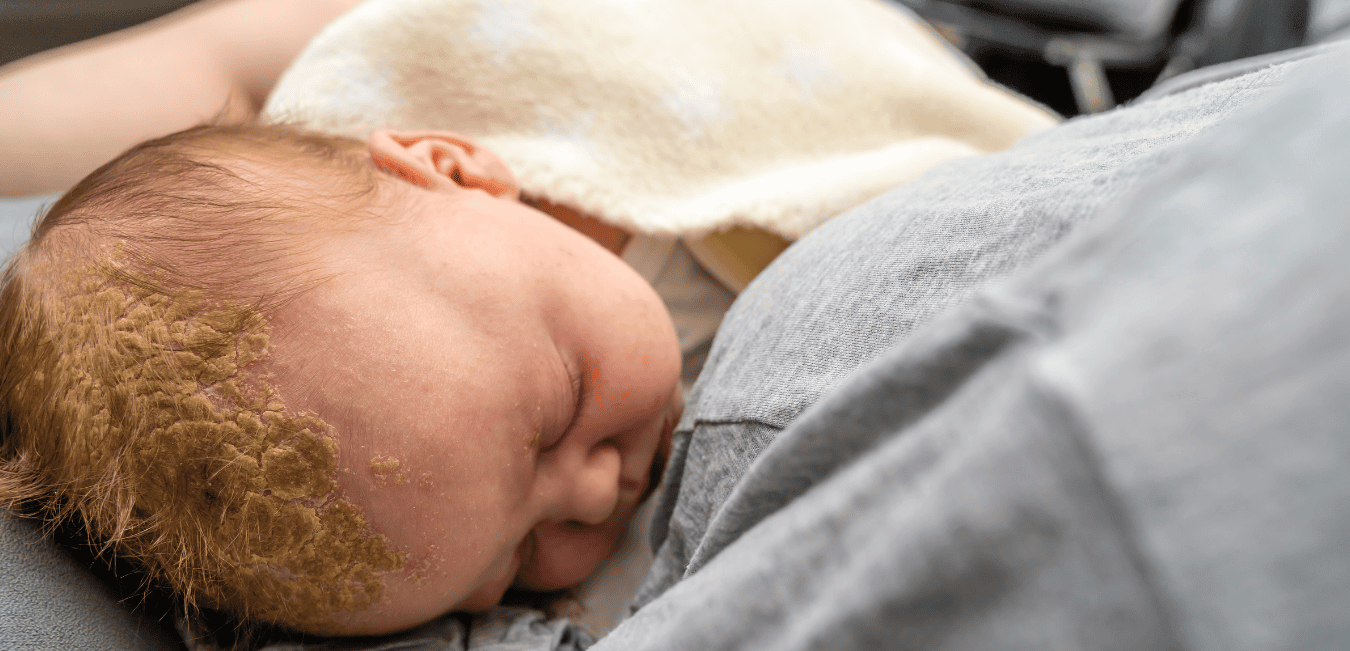
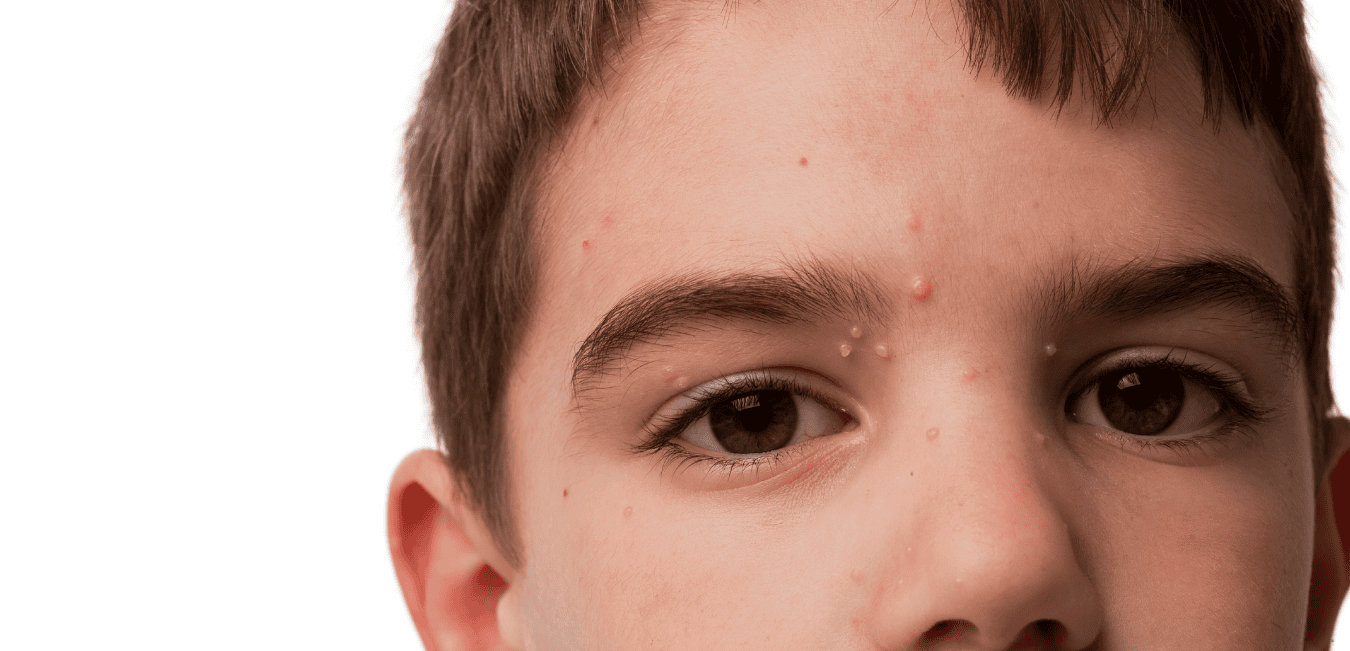
Every summer, millions of families head outdoors – and every summer, a certain miserable rash makes its annual appearance. If your child has ever come home from a hike or an afternoon in the backyard covered in itchy, blistering welts, you already know the frustration of poison ivy. But do you know how to identify it before the damage is done, what’s happening in the body when the rash appears, and what can you do to support your child through the healing process?
This article covers everything parents need to know about poison ivy, poison oak, and poison sumac: how to identify them, why some kids react more intensely than others, what to do immediately after exposure, soothing home care strategies, and when it’s time to call the doctor.
What Are These Plants, and Where Do They Grow?
Poison ivy, poison oak, and poison sumac all belong to the same plant family and all contain the same problematic compound urushiol (pronounced yoo-ROO-shee-ol), an oily resin found in the leaves, stems, berries, and roots of the plant (1). Understanding which plant you’re likely to encounter depends largely on where you live.
Poison ivy is by far the most common culprit in the eastern and midwestern United States. It grows as a ground vine, a climbing vine, or occasionally a low shrub. The classic identification rule – leaves of three, let it be – applies here. Each leaf cluster contains three-pointed leaflets, the middle one on a slightly longer stalk. The leaves are shiny and may be green in spring and summer or red and orange in fall.

Poison oak looks similar to poison ivy but has more rounded, lobed leaflets resembling oak leaves. It’s found primarily in the western United States and parts of the Southeast.

Poison sumac is less commonly encountered than poison ivy but is considered more potent. It grows as a tall shrub or small tree in wet, swampy areas, and wooded wetlands, primarily in the eastern United States. Unlike the “leaves of three” plants, poison sumac has compound leaves with 7-13 leaflets arranged in pairs along a central stem. The leaflets are smooth-edged and pointed. Unripe berries are white or pale yellow, which helps distinguish it from harmless sumac varieties that have red berries.

Important note: urushiol is present in all parts of the plant year-round – even in dead plants in winter. Burning these plants releases urushiol into smoke, which can cause severe respiratory reactions and is considered a medical emergency. Urushiol also sticks readily to clothing, tools, pet fur, and shoes, meaning your child can develop a rash without ever directly touching the plant (1).
Spending lots of time outdoors this summer? You might like these articles, too:
- How To Soothe Sunburns Naturally
- Why Letting Kids Get Dirty Is Good for Their Health (According to Science)
- Mosquito Bites in Babies & Kids (Welts, Home Remedies, Prevention, & When to Worry)
Why Does Poison Ivy, Oak, or Sumac Rash Happen?
The reaction to urushiol is not an irritant reaction. It is a true allergic immune response, specifically a type of delayed hypersensitivity reaction driven by T lymphocytes (1). This is important to understand, because it explains several things parents often find confusing.
To learn more, read this article: Understanding Hives in Children: What They Are, When to Call a Doctor, and How to Support Healing
When urushiol first contacts the skin, it penetrates into the deeper layers and binds to skin proteins. The immune system recognizes this modified protein as foreign and mounts a response, but this sensitization phase takes time. This is why children who touch poison ivy for the very first time may have little to no reaction. After that first exposure, the immune system has been “trained” to recognize urushiol. On subsequent exposures, it launches a much faster and more intense response, typically producing the characteristic rash within 12 to 72 hours (1).
This also explains why the rash appears to “spread” over time. It isn’t spreading from blisters. The fluid inside blisters does not contain urushiol and cannot cause new rashes. Rather, areas of skin that had less initial contact with the oil react more slowly, giving the impression that the rash is moving.
Approximately 50-75% of the US adult population is clinically sensitive to urushiol (1). Among children, sensitivity varies widely, and some children seem to react minimally or not at all, at least on initial exposures.
It’s a striking reminder of just how powerfully plants can influence the human body. The same properties that make plant compounds so biologically active – their ability to interact with immune receptors, alter inflammatory pathways, and affect cells deep in our tissues – are exactly what makes therapeutic herbs so valuable when used intentionally.
Recognizing the Poison Ivy Rash
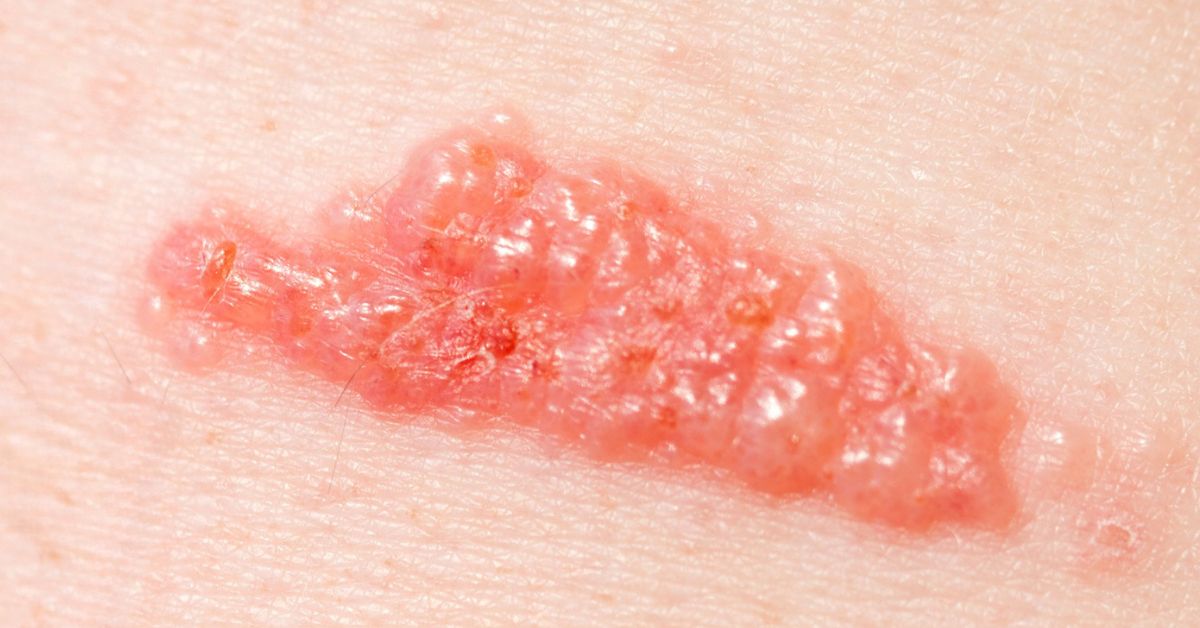
The rash typically appears within 12 hours to several days after contact. Characteristic symptoms include (1):
- Intense itching
- Redness and swelling
- Linear streaks or patches where the plant brushed the skin
- Small bumps that develop into blisters
- Blisters that may weep and eventually crust over
The rash usually runs its course in 1 to 3 weeks. Mild cases can be managed at home, while more severe cases — particularly those involving the face, eyes, or genitals, or widespread involvement — warrant medical evaluation.
To learn more about skin conditions, read this article: 8 Common Infant Skin Conditions
Immediate Steps After Exposure To Poison Oak or Sumac
Prompt care can help minimize the discomfort caused by contact to poison ivy, oak or sumac. Urushiol begins bonding to skin proteins within minutes of contact, but prompt washing may reduce the severity of the reaction (1).
What to do immediately upon contact:
- Remove clothing that contacts the plant and wash it separately.
- Wash the exposed skin gently with cool water and mild soap or dish soap. Dish soap may be particularly effective at cutting through the oily resin.
- Clean under fingernails carefully, as oil trapped there can be transferred to other body areas, especially the face.
- Do not scrub the skin aggressively, as this can spread the oil.
- Wash any tools, shoes, or pet fur that may have contacted the plant, as urushiol can remain active on surfaces for a long time.
If your child touches their face before washing their hands, rinse the face with cool water immediately. Eye involvement requires prompt medical attention.
Soothing Home Care for the Rash
Once the rash has appeared, the primary goals are reducing itch, protecting the skin barrier, and preventing secondary infection from scratching. Most mild to moderate cases can be managed comfortably at home.
Colloidal oatmeal baths are one of the most evidence-supported options for relieving itch and supporting the skin barrier during inflammatory skin reactions. Research has demonstrated that colloidal oatmeal contains avenanthramides, which are polyphenolic compounds that exhibit direct antioxidant and anti-inflammatory activity and may help inhibit the release of pro-inflammatory cytokines involved in itching and skin inflammation (2, 3). For children, a lukewarm oatmeal bath for 15-20 minutes can provide meaningful relief.
Cool, wet compresses applied to the affected area help reduce itch and inflammation and feel soothing on hot, inflamed skin.
Calamine lotion applied topically three to four times per day can help reduce itching and dry out weeping blisters.
Keep fingernails short and encourage children not to scratch. Scratching breaks the skin and increases the risk of secondary bacterial infection.
Over-the-counter 1% hydrocortisone cream can be applied to the affected area to help reduce inflammation and itch. For mild rashes, this is often sufficient.

When to Call the Doctor
While most cases of poison ivy and poison sumac rash can be managed at home, seek medical attention if:
- The rash involves the face, eyes, or genitals
- There is significant swelling, especially around the eyes
- Your child has difficulty breathing or swallowed any part of the plant (emergency!)
- The rash is widespread across a large portion of the body
- Signs of infection develop (increasing redness, warmth, pus, or worsening pain)
- The rash is not improving after 2-3 weeks
- Your child was exposed to smoke from burning poison ivy or sumac
For moderate to severe cases, a doctor may prescribe a course of oral corticosteroids, which can significantly reduce the duration and severity of the reaction.
Supporting Your Child Through the Itch: Herbal and Integrative Options
Dealing with a miserable, itchy rash puts real stress on the whole family. While no herb or supplement will stop the urushiol reaction once it’s underway, a few integrative tools may help support your child’s comfort during the healing process.
The urushiol reaction involves histamine release and inflammatory immune mediators that drive intense itching. Stinging nettle leaf (Urtica dioica) has been studied for its ability to support a healthy histamine response (4). While this research is primarily in the context of seasonal allergies, the underlying mechanisms are relevant to allergic skin reactions as well. Herbal preparations containing stinging nettle may offer gentle support for histamine balance
For a child dealing with relentless itching, calming herbs like chamomile, lemon balm, and valerian root may help take the edge off the irritability and support restful sleep during recovery. Chamomile contains apigenin, a flavonoid that has been studied for its ability to support a healthy inflammatory response in the skin (5) – and as an internally taken herb, it’s also valued for its calming, soothing properties.
To learn more about supporting your child’s nervous system naturally, read this article: Understanding Stress In Kids — Plus My Stress Support Drink Recipe
Prevention Tips for Families
The best approach to poison ivy, poison oak, and poison sumac rashes is avoiding contact in the first place. Here are some practical strategies:
Learn to identify the plants and teach your children at an age-appropriate level. Laminated plant ID cards or nature apps can make this a fun outdoor learning activity.
Cover up in high-risk environments. When hiking through wooded or brushy areas, long pants, long sleeves, and closed-toe shoes reduce skin exposure. Tuck pants into socks.
Be mindful of pets. Dogs and cats rarely develop a rash from urushiol themselves, but they can carry the oil on their fur and transfer it to family members. Consider rinsing your pets after hikes through wooded areas, wearing gloves when doing so.
Wash gear after outings. Tools, shoes, and gear that contact plants should be cleaned thoroughly. Urushiol can remain active on objects for months or even years.
Never burn these plants. Burning poison ivy or sumac releases urushiol particles into the smoke, which can cause a severe internal reaction when inhaled and requires emergency medical care.
Summary
Poison ivy, poison oak, and poison sumac all cause the same type of allergic skin reaction via urushiol, an oily resin that triggers a T-cell-mediated immune response. The rash typically appears 12 hours to several days after contact and can last 1 to 3 weeks. Immediate washing after exposure may reduce severity.
Home care focuses on soothing the itch and protecting the skin barrier, with colloidal oatmeal baths, cool compresses, and calamine lotion being well-supported options. Severe cases involving the face, eyes, or large body surface areas warrant medical evaluation and may require prescription steroids. Herbal support – including nettle leaf for histamine balance and calming herbs like chamomile and lemon balm for comfort and sleep – can be a useful addition to the recovery toolkit. When in doubt, remember: leaves of three, let it be.
References
- Gladman AC. Toxicodendron dermatitis: poison ivy, oak, and sumac. Wilderness Environ Med. 2006 Summer;17(2):120-8. doi: 10.1580/pr31-05.1. PMID: 16805145.
- Reynertson KA, Garay M, Nebus J, Chon S, Kaur S, Mahmood K, Kizoulis M, Southall MD. Anti-inflammatory activities of colloidal oatmeal (Avena sativa) contribute to the effectiveness of oats in treatment of itch associated with dry, irritated skin. J Drugs Dermatol. 2015 Jan;14(1):43-8. PMID: 25607907.
- Kurtz ES, Wallo W. Colloidal oatmeal: history, chemistry and clinical properties. J Drugs Dermatol. 2007 Feb;6(2):167-70. PMID: 17373175.
- Roschek B Jr, Fink RC, McMichael M, Alberte RS. Nettle extract (Urtica dioica) affects key receptors and enzymes associated with allergic rhinitis. Phytother Res. 2009 Jul;23(7):920-6. doi: 10.1002/ptr.2763. PMID: 19140159.
- Huang WC, Tsai TH, Chuang LT, Li YY, Zouboulis CC, Tsai PJ. Anti-inflammatory and anti-sebum effects of apigenin in human sebocytes and skin. J Investig Dermatol. 2014;134(6):1981-1990. PMID: 24064931.