Carbohydrates often get a bad reputation, but the truth is far more nuanced. Carbs are a primary energy source for growing kids and busy parents alike! The key is which kinds of carbs we choose and in what context.
Understanding the difference between simple carbohydrates and complex carbohydrates can help you support steadier energy, balanced blood sugar, better mood, and long-term metabolic health for your whole family.
This article explains the difference between simple carbohydrates and complex carbohydrates so parents can feel confident feeding their children!
What Are Carbohydrates, Really?
Carbohydrates are one of the body’s three macronutrients (along with protein and fat) (1). They are broken down into glucose, which fuels:
- The brain and nervous system
- Muscles during movement and play
- Red blood cells
- Growing tissues in children
It is very common for children to prefer carbohydrates over other food groups. Picky eaters may especially have a strong preference for foods like crackers, plain pasta, cereal, etc. – all of which are simple carbs. In modern diet culture, carbs have been villainized as “empty calories,” but it’s not that simple.
Kids need plenty of carbohydrates for optimum health (2), but it’s important to understand the two different types of carbohydrates and the differences between them.
Simple Carbohydrates
Simple carbohydrates are made of one or two sugar molecules. Because of their structure, they are digested and absorbed quickly, leading to rapid rises in blood sugar.
Common Sources of Simple Carbs
- White sugar, brown sugar, corn syrup
- Candy, cookies, cakes, pastries
- Sugary cereals
- Sweetened yogurts
- Juice and sweetened drinks
- White bread, white pasta, white rice
Some whole foods like fruit and milk also contain simple sugars, but context matters, which we’ll cover shortly.

How Simple Carbs Affect the Body
When simple carbs are eaten alone or in large amounts (1):
- Blood sugar (glucose) rises quickly
- Insulin spikes to manage that glucose
- Blood sugar often drops just as fast
This cycle can contribute to:
- Energy crashes
- Irritability and mood swings
- Increased cravings
- Difficulty concentrating
- Long-term insulin resistance when habitual
In kids, this can show up as hyperactivity followed by meltdowns or fatigue.
Complex Carbohydrates
Complex carbohydrates contain longer chains of sugar molecules, often packaged with fiber, vitamins, minerals, and phytonutrients (1).
Because they digest more slowly, they provide more stable energy and metabolic support.
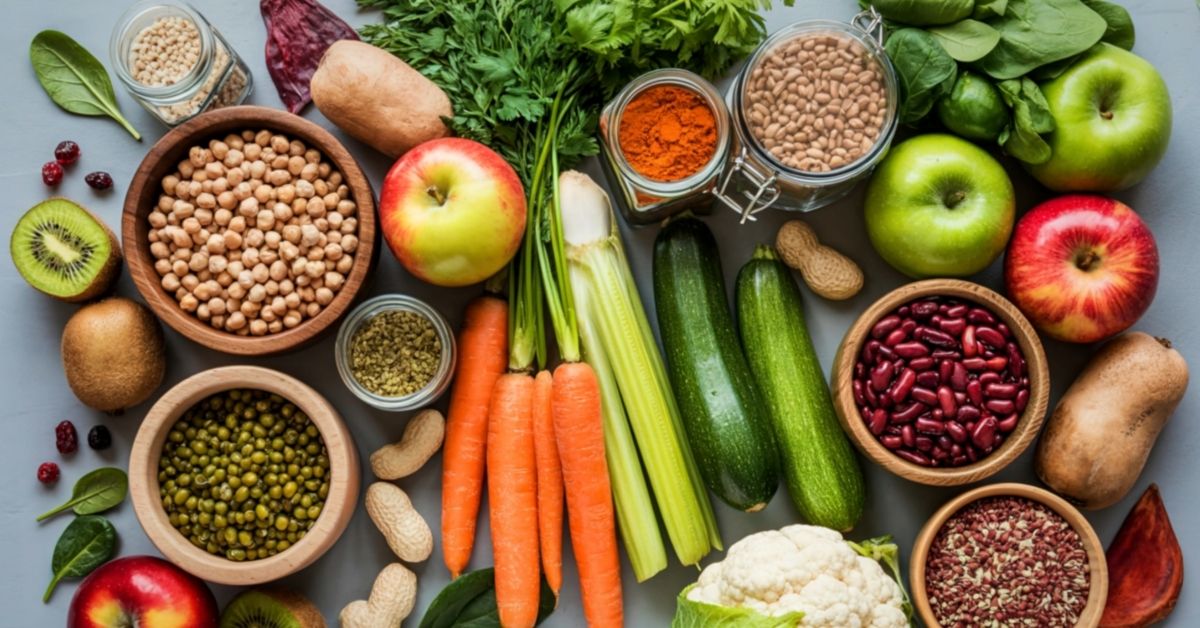
Common Sources of Complex Carbs
- Vegetables (especially root vegetables and squash)
- Fruits (especially when eaten whole)
- Legumes (beans, lentils, chickpeas)
- Whole grains (oats, quinoa, brown rice)
- Sweet potatoes and potatoes with skin
- Seeds
How Complex Carbs Support Health
Complex carbohydrates:
- Slow digestion and glucose absorption
- Support gut health through fiber
- Feed beneficial gut bacteria
- Improve satiety (kids feel full longer)
- Support steady mood and focus
For children, this often translates into more consistent energy throughout the day.
To learn more about nutrition, read this article: The Basics of Anti-Inflammatory Eating for the Whole Family
Note: Not All Simple Carbs Behave The Same in The Body
Here’s where nuance comes in. An apple and a cookie both contain sugar, but they behave very differently in the body. When a food that contains simple carbohydrates also provides fiber, water, and micronutrients, these elements slow sugar absorption and support metabolic balance. The issue usually isn’t naturally occurring sugars in whole foods – especially when eaten as part of a balanced meal – but rather highly refined sugars that have been stripped of fiber and nutrients. An example would be candy, sweetened baked goods, sugary cereals, or juice, which deliver sugar quickly without the buffering benefits found in whole foods.
To learn more about processed food, read this article: Ultra-Processed Foods: What Are They, & How Are They Affecting Kids?
Why Pairing Carbs Matters (And How To Do So)
Pairing carbohydrates with protein and healthy fats dramatically changes how they affect blood sugar because protein and fat slow the rate at which food leaves the stomach and is absorbed into the bloodstream. This slows glucose release, reduces sharp blood sugar spikes, and leads to a more gradual, sustained energy response (3).
For example, an apple on its own provides quick-digesting carbohydrates. When paired with nut butter, the added fat and protein slow digestion, helping the glucose enter the bloodstream more steadily and supporting longer-lasting energy.
Toast eaten alone is rapidly broken down into glucose, which can cause a quick rise in blood sugar followed by a drop. When that same toast is eaten with eggs and butter, the protein and fat slow digestion, reduce the insulin surge, and help stabilize blood sugar, supporting better focus, mood, and satiety. Some ideas to pair your kiddos favorite carbohydrate rich snack with protein and fat include:
- Toast with nut butter, cream cheese, or avocado
- Crackers with cheese, hummus, tuna salad, or nut butter
- Cereal with full-fat Greek yogurt
Looking for healthy, family friendly recipes? Check out my favorites, here!

More Practical Tips for Families
You don’t need to eliminate simple carbs entirely. Instead, focus on frequency, pairing, and quality.
- Choose whole grains over refined when possible
- Avoid starting the day with sugar or simple carbs alone
- Build meals around protein first, then add carbs
- Don’t fear carbs! They provide energy!
Food is information. Over time, consistent choices help children learn what fuels them best.
To learn more about blood sugar regulation, read these articles:
- Tips for Blood Sugar Balance Plus Dr. Green Mom’s Ginger & Apple Cider Vinegar Mocktail Recipe
- How To Handle High Sugar Events Like Halloween As A Parent of Young Children
Summary
Carbohydrates are an essential fuel for growing kids, especially for their brain, muscles, and overall development. Simple carbohydrates digest quickly, and when eaten in isolation can cause energy spikes and crashes, while complex carbohydrates digest more slowly and support steadier energy, mood, and fullness. Pairing carbs with protein and healthy fats helps stabilize blood sugar and energy.
References:
- Holesh JE, Aslam S, Martin A. Physiology, Carbohydrates. 2023 May 12. In: StatPearls [Internet]. Treasure Island (FL): StatPearls Publishing; 2025 Jan–. PMID: 29083823.
- Carbohydrate intake for adults and children. (2023). Nih.gov; World Health Organization. https://www.ncbi.nlm.nih.gov/books/NBK593396/
- Taai M, Lilly L, Heiss C, Senne-Duff B. Effects of Protein, Fat and Both Protein and Fat on Glycemic Response of a Meal (P18-094-19). Curr Dev Nutr. 2019 Jun 13;3(Suppl 1):nzz039.P18-094-19. doi: 10.1093/cdn/nzz039.P18-094-19. PMCID: PMC6579