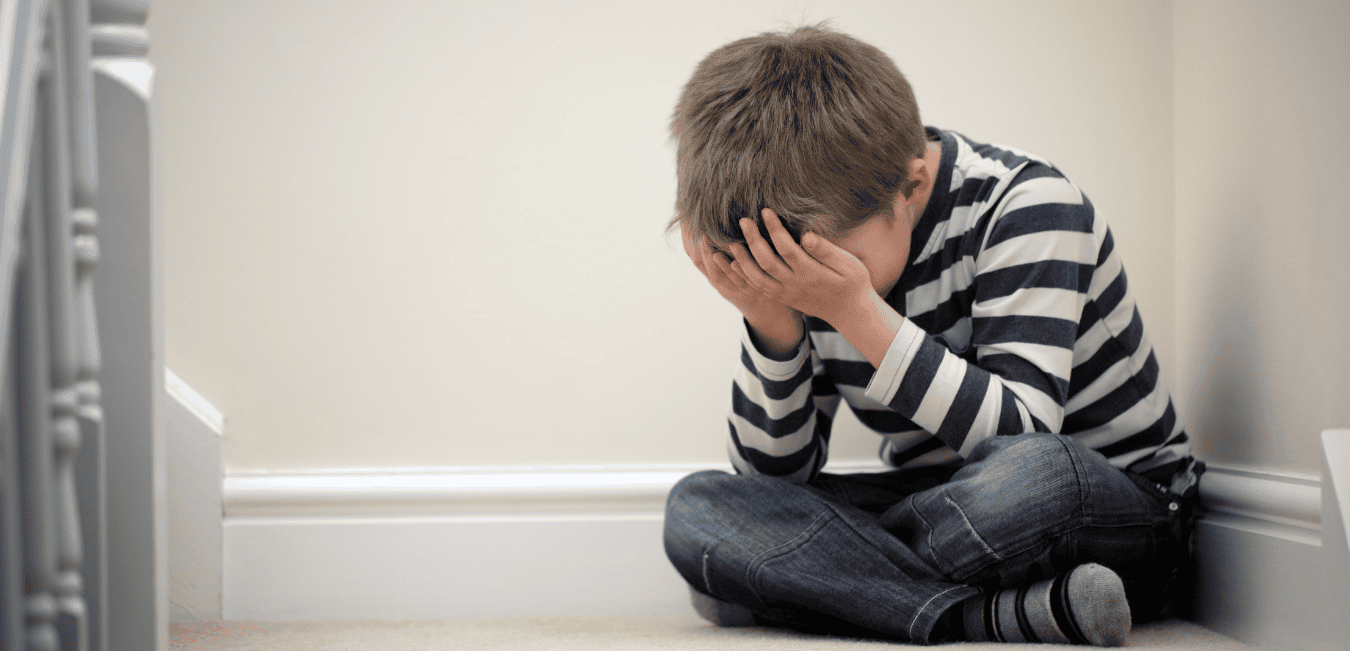
Test days are stressful for a lot of kids. Some kids might feel butterflies beforehand, shake them off, and do just fine. Others experience something more significant – a racing heart, a blank mind, stomachaches, tearful mornings, or sleepless nights before a big exam. If your child falls into that second group, you’re not alone, and neither are they.
Test anxiety is real, it’s common, and it can genuinely interfere with a child’s ability to perform. It also shows up differently depending on a child’s unique neurological makeup. Neurotypical kids can struggle with it, as can children who are neurodiverse – including those with ADHD, dyslexia, dyscalculia, or sensory processing differences. The good news is that there is a lot parents can do to support their kids, from building better habits around exam time to nourishing the nervous system from the inside out.
In this article, you’ll learn what test anxiety is and how to support your child through it.
What Is Test Anxiety?
Test anxiety is a specific form of performance anxiety that occurs in testing situations. It’s not just nervousness – it can involve a combination of physical symptoms (headaches, nausea, rapid heartbeat), emotional symptoms (dread, irritability, tearfulness), and cognitive symptoms (blanking on material they know, difficulty concentrating, negative self-talk) (1).
Research consistently shows that test anxiety negatively impacts academic performance, and that its prevalence increases with age (1, 2). Children as young as elementary school age can experience it, and it tends to become more pronounced in middle and high school. Importantly, test anxiety doesn’t reflect a child’s actual knowledge or intelligence – it reflects the interference of the stress response with recall and performance.
This is especially worth emphasizing for neurodiverse learners. A child with dyslexia may know the material inside and out but struggle to demonstrate that knowledge in a timed, text-heavy format. A child with ADHD may have the knowledge but lose access to it when anxiety and executive function challenges collide. In all of these cases, the test score is not the full picture.
To learn more about supporting children’s mental health, read this article: All About PANDAS: A Resource for Parents

Recognizing Test Anxiety in Your Child
Not every child will tell you that they’re anxious. Watch for signs like:
- Complaints of stomachaches or headaches before tests or on school mornings
- Difficulty sleeping the night before an exam
- Avoidance, procrastination, or emotional outbursts around study time
- Excessive self-criticism (“I’m so stupid” or “I always fail”)
- Freezing or going blank during tests despite knowing the material
- Tears, irritability, or withdrawal in the days leading up to exams
Some children internalize their anxiety and appear calm on the outside while struggling significantly within.
Keeping communication open and non-judgmental creates space for them to share what they’re experiencing.
To learn more, read this article: Understanding Stress In Kids — Plus My Stress Support Drink Recipe
What Parents Can Do To Support Their Child With Test Anxiety
There are several practical strategies that can make a significant difference in how your child experiences and copes with high-pressure academic moments.
Normalize the experience
Let your child know that feeling nervous before a test is completely normal, and that even adults feel nervous before important moments. Reframing nerves as the body preparing to focus can help shift a child’s relationship with the feeling. For neurodiverse kids who have experienced repeated academic difficulty, it can also help to explicitly separate their worth and intelligence from their test performance.
Focus on preparation, not perfection
Help your child build a realistic study schedule with breaks, and praise effort rather than outcomes. For children with ADHD, shorter and more frequent study sessions with built-in movement breaks tend to work better than long sitting blocks. For kids with dyslexia or dyscalculia, multisensory study approaches – talking through material out loud, using visual aids, or writing key concepts by hand – can help information stick in ways that rereading alone does not.
Ensure their accommodations
If your child has an IEP or 504 plan, make sure their testing accommodations are in place and that your child understands and feels comfortable using them.
Practice breathing techniques
Slow, diaphragmatic breathing activates the parasympathetic nervous system and helps calm the stress response. Research in pediatric populations supports the use of guided deep breathing as a practical tool for reducing anxiety (3). Teach your child to inhale slowly for four counts, hold for four, and exhale for four.
Limit morning stress
What happens the morning of a test matters. Plan a little extra time into your morning routine on days where a test is happening to leave space for any big feelings that might arise. A calm routine and leaving with enough time to avoid rushing can reduce a child’s anxiety going into the school day.
You might like this article, too: 3 Freezable Breakfasts to Help Make Mornings a Breeze

The Role of Sleep and Nutrition in Academic Success
A well-rested, well-nourished nervous system is a more resilient one. Support your child during exams season by focusing on sleep and nutrition:
Sleep is critical for memory consolidation and emotional regulation. Staying up late to study the night before a test is often counterproductive – the brain needs sleep to process and retain what it has learned. Help your child protect their sleep schedule in the days leading up to exams.
Magnesium plays an important role in the body’s stress response and nervous system regulation. Research has found that magnesium supplementation may support mood and sleep quality (4), and many children do not get adequate magnesium from diet alone. Magnesium-rich foods include pumpkin seeds, leafy greens, almonds, and dark chocolate. A quality magnesium supplement can be a helpful addition to your child’s routine.
To learn more about anti-inflammatory nutrition for the whole family, read this article: The Basics of Anti-Inflammatory Eating for the Whole Family
Herbal Support During Stressful Periods
In addition to healthy sleep habits, balanced nutrition, and stress-management strategies, some families choose to incorporate herbs and nutrients that have a long history of traditional use and have been studied for their effects on mood, relaxation, and stress resilience.
Lemon balm (Melissa officinalis) is a gentle herb traditionally used to promote relaxation and emotional well-being. Modern research has explored its effects on mood and feelings of calm (5).
L-theanine, an amino acid found naturally in green tea, has been studied for its role in supporting relaxation and a healthy stress response (6).
While herbs and nutrients are not a substitute for healthy study habits, adequate sleep, or professional support when needed, some families find them to be a helpful addition to an overall wellness routine during periods of increased stress.
To learn more about supporting your child’s nervous system, read this article: Herbal Medicine to Help with Grief for Kids and Adults
When to Seek Additional Support
Occasional test anxiety is a normal part of childhood. But if your child’s anxiety around tests is severe, persistent, or beginning to affect their self-esteem, attendance, or willingness to participate in school, it may be worth consulting a pediatrician, naturopathic doctor, or child therapist. Cognitive behavioral therapy has a strong evidence base for treating anxiety in children, and early intervention can make a difference.
If you suspect your child may have an undiagnosed learning difference, pursuing a formal evaluation is one of the most valuable things you can do. Children who understand how their brain works, and who have the right tools and accommodations in place, are far better equipped to manage test anxiety and thrive academically.
Summary
Test anxiety is common in children of all neurological profiles, but it can be particularly challenging for neurodiverse learners including those with ADHD, dyslexia, and dyscalculia. It does not reflect a child’s intelligence or potential – it reflects the stress response interfering with performance.
Parents can help by normalizing the experience, building study habits that match their child’s learning style, advocating for appropriate accommodations, prioritizing sleep and a calm morning routine. For significant or persistent anxiety, professional support is always the right call. Your child is more than their test scores and reminding them of that is one of the most important things you can do.
References:
- Segool NK, Carlson JS, Goforth AN, Von Der Embse N, Barterian JA. Heightened test anxiety among young children: elementary school students’ anxious responses to high-stakes testing. Psychol Sch. 2013;50(5):489-499. doi: 10.1002/pits.21689. PMID: 23580855.
- Robson DA, Johnstone SJ, Putwain DW, Howard S. Test anxiety in primary school children: a 20-year systematic review and meta-analysis. J Sch Psychol. 2023 Jun;98:39-60. doi: 10.1016/j.jsp.2023.02.003. PMID: 37253582.
- Khng KH. A better state-of-mind: deep breathing reduces state anxiety and enhances test performance through regulating test cognitions in children. Cogn Emot. 2017;31(7):1502-1510. doi: 10.1080/02699931.2016.1233095.
- Rawji A, Peltier MR, Mourtzanakis K, Awan S, Rana J, Pothen NJ, Afzal S. Examining the effects of supplemental magnesium on self-reported anxiety and sleep quality: a systematic review. Cureus. 2024 Apr 29;16(4):e59317. doi: 10.7759/cureus.59317. PMID: 38817505.
- Ghazizadeh J, Sadigh-Eteghad S, Marx W, Fakhari A, Hamedeyazdan S, Torbati M, Taheri-Tarighi S, Araj-Khodaei M, Mirghafourvand M. The effects of lemon balm (Melissa officinalis L.) on depression and anxiety in clinical trials: a systematic review and meta-analysis. Phytother Res. 2021 Dec;35(12):6690-6705. doi: 10.1002/ptr.7252. PMID: 34449930.
- Kimura K, Ozeki M, Juneja LR, Ohira H. L-Theanine reduces psychological and physiological stress responses. Biol Psychol. 2007 Jan;74(1):39-45. doi: 10.1016/j.biopsycho.2006.06.006. PMID: 16930802.